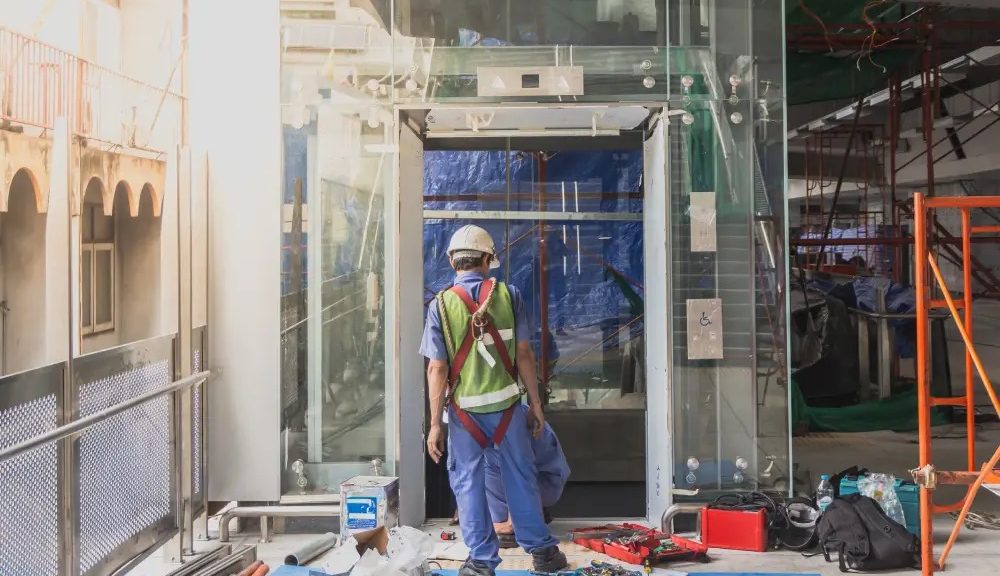
Elevator Maintenance for Historic and Older Buildings
Older buildings often have unique elevator systems that need special attention. Regular elevator maintenance keeps these lifts safe and operational while preserving their original design.
Historic elevators can face wear from age, outdated components, or heavier use, so understanding the building’s layout, lift type, and past repairs helps maintain functionality without changing its character.
Assessing the Existing System:
Before starting any maintenance, technicians review the elevator’s history and current condition. Worn cables, outdated motors, and old control systems are identified. This assessment allows a careful plan to address issues while keeping the lift reliable and matching the building’s historical features.
Mechanical and Electrical Checks:
Older elevators often rely on older electrical systems and mechanical parts. Checking motors, switches, and wiring helps prevent unexpected breakdowns. Mechanical components such as pulleys, brakes, and gears are inspected for wear and tear. Regular checks reduce risks and help the lift run steadily.
Preserving Original Features:
Historic elevators sometimes have decorative elements or vintage controls. During maintenance, care is taken to preserve these features. Cleaning and repairing panels, buttons, and glass maintains the original aesthetic while keeping the elevator safe and operational for daily use.
Safety Updates:
Even with older lifts, safety standards can be improved. Adding sensors, emergency lights, or communication systems allows the elevator to meet modern safety needs without major changes. Updating safety components protects passengers while respecting the building’s historic character.
Lubrication and Adjustment:
Older elevators often need extra attention to moving parts. Proper lubrication of cables, gears, and pulleys prevents excessive wear. Adjusting alignment and tension in mechanical systems helps reduce noise and improves performance, keeping the lift reliable for regular use.
Scheduling Regular Attention:
Frequent checks are important for older elevators. Scheduling maintenance visits allows small issues to be fixed before they turn into major problems. Consistent attention keeps the lift operational, protects the building’s value, and prevents costly repairs in the future.
Documentation and Records:
Keeping detailed maintenance records helps track repairs and parts replacements. It provides a history for technicians to follow and helps in planning future maintenance. Records also assist with safety compliance and show that the elevator has been cared for properly.
Proper elevator maintenance for historic and older buildings combines technical care with respect for original design. Regular attention, safety updates, and preservation of features keep these elevators functional, safe, and visually appealing for residents and visitors alike.